

The real estate market in 2026 is shaped by a combination of economic adjustments, shifting buyer preferences, and technological advancements. While every local market behaves differently, several national and global trends are influencing how properties are bought and sold. Understanding these trends can help both buyers and sellers make more informed and strategic decisions.
1. Interest Rates Are Stabilizing After Volatility
After several years of unpredictable fluctuations, interest rates are showing signs of stabilization in 2026. This shift has brought renewed confidence to the housing market. Buyers who previously delayed purchasing decisions are now re-entering the market with clearer expectations.
Stable interest rates also help sellers by increasing the pool of qualified buyers. When borrowing costs are predictable, buyers feel more comfortable making long-term commitments.
2. Housing Inventory Remains Limited
One of the defining characteristics of the 2026 market is continued low housing inventory. In many regions, demand still exceeds supply, especially for well-maintained and properly priced homes.
This imbalance creates competitive conditions where desirable properties often receive multiple offers. However, overpriced or poorly presented homes tend to sit on the market longer, showing the importance of accurate pricing and presentation.
3. Buyers Are Moving Toward Suburban and Secondary Markets
A significant trend in 2026 is the continued migration away from expensive urban centers toward suburban and secondary markets. Buyers are prioritizing space, affordability, and quality of life.
Remote and hybrid work arrangements have also contributed to this shift, allowing buyers to live farther from traditional job centers without sacrificing career opportunities.
4. Technology Is Transforming Real Estate Transactions
Technology is playing a major role in shaping how real estate transactions are conducted. Virtual tours, AI-powered pricing tools, digital contracts, and online closing processes have made transactions faster and more efficient.
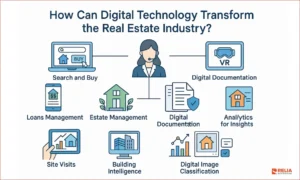
Buyers now expect instant access to property information, high-quality visuals, and transparent data. Real estate professionals who adapt to these expectations are more likely to succeed in a competitive environment.
5. Move-In Ready Homes Are in High Demand
In 2026, buyers are showing a strong preference for move-in ready homes. With construction and renovation costs remaining high, many buyers prefer properties that require little to no additional work.
Homes that are clean, updated, and well-maintained tend to sell faster and attract stronger offers compared to fixer-uppers.
6. Energy Efficiency and Sustainability Are Increasingly Important
Environmental awareness is influencing buyer decisions more than ever. Features such as energy-efficient windows, smart thermostats, solar panels, and sustainable building materials are becoming key selling points.
Buyers are not only thinking about upfront costs but also long-term utility savings and environmental impact.
7. Pricing Strategy Is More Critical Than Ever
In a balanced and competitive market, pricing strategy plays a crucial role in determining how quickly a home sell. Overpricing can lead to extended days on market, while strategic pricing can create competition and drive stronger offers.
Accurate pricing requires understanding recent comparable sales, current demand, and local market trends.
Final Thoughts
The 2026 real estate market is dynamic, data-driven, and highly competitive. Success for both buyers and sellers depends on preparation, awareness, and strategy.
Buyers should focus on financial readiness and market timing, while sellers should prioritize pricing, presentation, and marketing. Working with knowledgeable real estate professionals ensures better decisions and stronger outcomes in an evolving market landscape.